- Zahnärzte Dres. Zimny & Kollegen
-
Uhlandstr. 53
10719 Berlin-Wilmersdorf - [email protected]
- 030 889 20 20 0

Das von Align Technology in San Jose im amerikanischen Silicon Valley bereits 1999 entwickelte Behandlungssystem besticht durch seine Klarheit und das ist im wahrsten Sinne des Wortes gemeint. Invisalign zu benutzen, bedeutet die Verwendung von kristallklaren Spangen zur Korrektur von Zahnfehlstellungen.
Die seit 2001 in Deutschland eingesetzten, unsichtbaren Zahnschienen aus farblosem Kunststoff gehören zu den modernsten und ästhetischsten Behandlungsapparaten, die die funktionelle Kieferorthopädie heute bietet.
Nach über 20 Jahren gibt es noch weitere Systeme neben Invisalign, die neben hervorragenden Ergebnissen in Funktion und Ästhetik eine langfristige Stabilität der Behandlungsergebnisse erreichen.
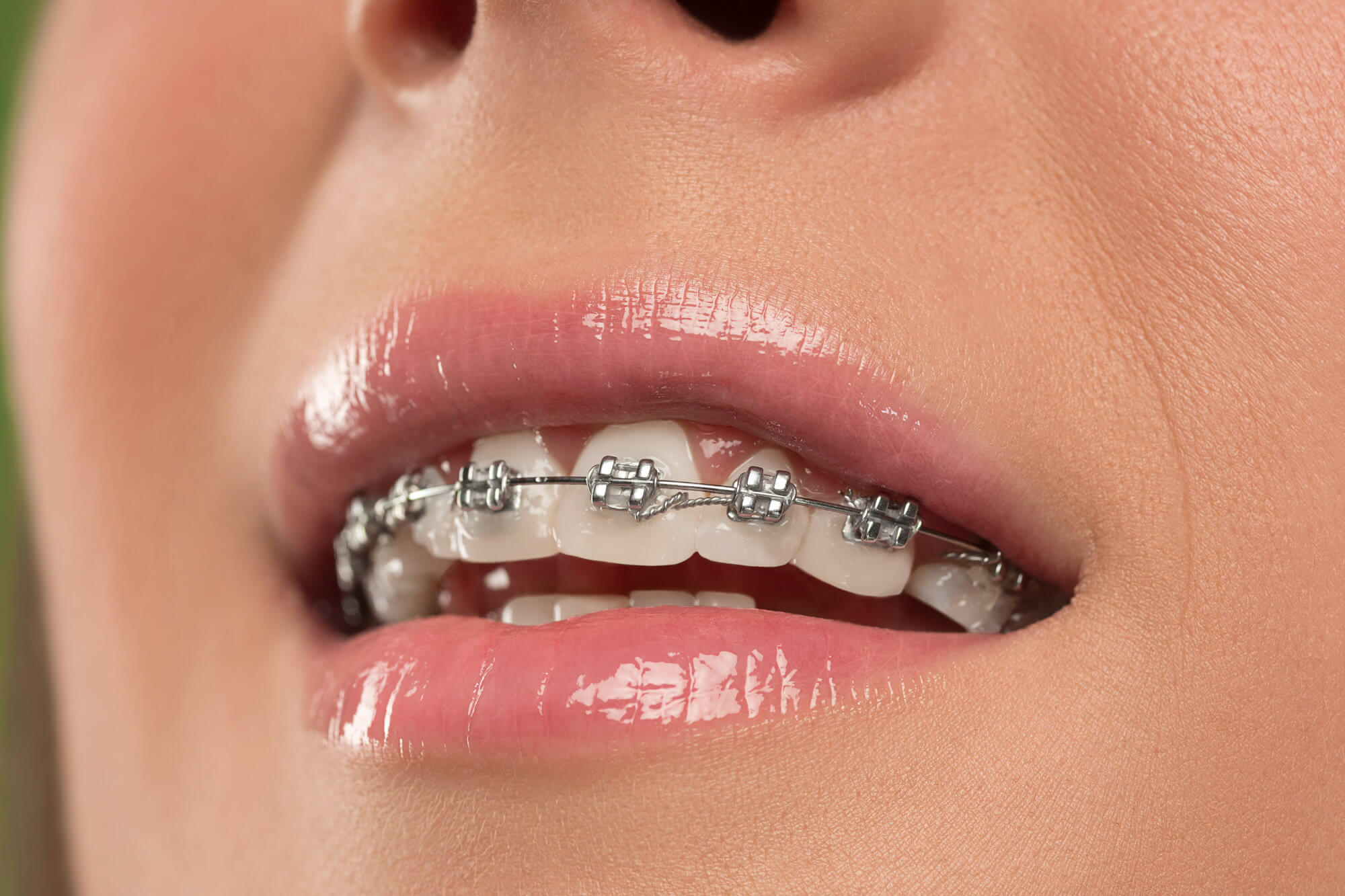
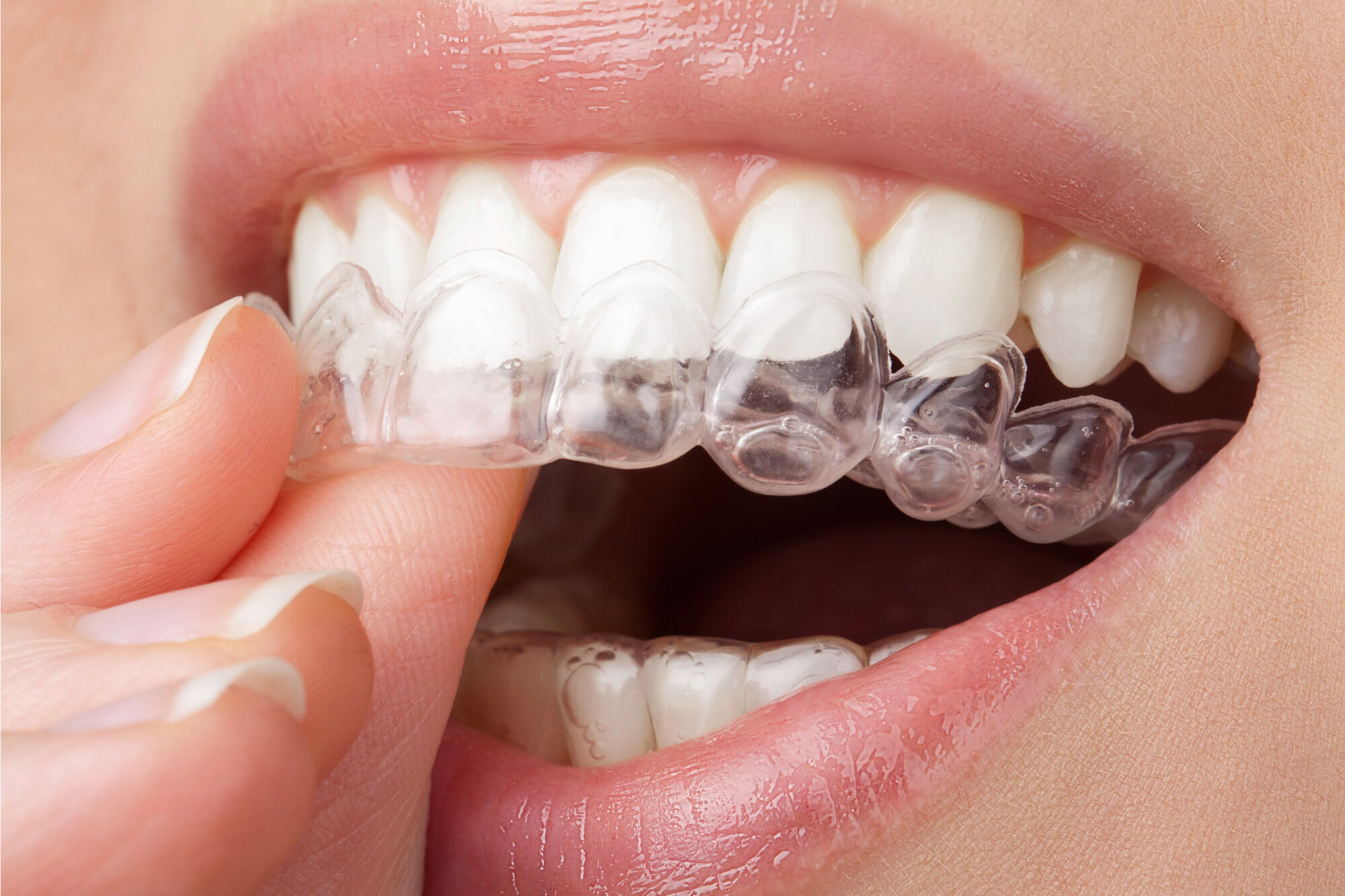
Das innovative System ist wie kein zweites hervorragend dafür geeignet, ohne Beeinträchtigung von Privatleben oder Berufsalltag, nahezu jede aufgetretene Zahnfehlstellung oder Zahnverschachtelung, einfach zu korrigieren und dabei noch dezent zu wirken. Vorbei ist die Zeit, in der auch Erwachsene mit Metallschienen behandelt werden und so während der Behandlung eine erhebliche Beeinträchtigung ihres Äußeren und unter Umständen auch ihres Selbstbewusstseins ertragen mussten.
Mit den unsichtbaren Invisalign Alignern werden Sie unsichtbare Zahnspangen besitzen und entscheiden sich für eine der diskretesten Behandlungsmöglichkeiten der modernen, professionellen Kieferorthopädie, die aktuell verfügbar sind. Dabei ist es für die Invisalign Behandlung nicht relevant, ob Sie sich aus medizinischen oder kosmetischen Gründen dazu entschlossen haben, Ihre Zähne zu begradigen und so in ein nachhaltiges, ästhetisches Lächeln zu investieren.
Der Markenname Invisalign beschreibt die wesentlichen Vorteile der weltweit führenden Methode fast schon von selbst. Dabei steht „Invis“ für „invisible“ – also unsichtbar und „align“ für „aligner“ – also „Ausrichter“ oder „ausrichten“. Daher kommen bei Invisalign – anders als bei konventionellen Zahnspangen aus metallenen Legierungen – hauchdünne und nahezu unsichtbare Kunststoffschienen zum Einsatz.
Diese Invisalign Aligner werden exklusiv und sehr individuell beim Hersteller für unsichtbare Zahnspangen Align Technology in den USA anhand eines hochgenauen 3D-Modells für Sie gefertigt. Je nach gewünschtem Behandlungsergebnis sind dafür in der Regel zwischen 6 und 50 einzelne Schritte nötig, d.h. Sie erhalten im Laufe Ihrer sanften und präzisen Therapie für jeden dieser Teilschritte einzelne, herausnehmbare, transparente Schienen, um den optimalen Behandlungserfolg zu gewährleisten.
Nur mit dieser Technologie ist es heute schon möglich, mehr als vier Zähne gleichzeitig in die richtige Richtung zu bewegen. Dank der innovativen 3D-Druckertechnik hinter Invisalign können alle Zähne zeitgleich therapiert werden und haben diese Behandlungsform weltweit zum Marktführer werden lassen.
Seit 2001 in Deutschland erfolgreich eingesetzt.
Mit den unsichtbaren Invisalign Alignern werden Sie unsichtbare Zahnspangen besitzen und entscheiden sich für eine der diskretesten Behandlungsmöglichkeiten der modernen, professionellen Kieferorthopädie, die aktuell verfügbar sind.

Sie würden gerne mehr über ihre Behandlungsmöglichkeiten, den genauen Ablauf und über die für Sie entstehenden Kosten einer kieferorthopädischen Behandlung erfahren ? Dann vereinbaren Sie noch heute einen Termin mit unseren Zahnärzten, unseren Spezialisten für Invisalign und ästhetische Zahnmedizin.

Invisalign Zahnarzt Berlin Erklärung zur Barrierefreiheit
We firmly believe that the internet should be available and accessible to anyone, and are committed to providing a website that is accessible to the widest possible audience, regardless of circumstance and ability.
To fulfill this, we aim to adhere as strictly as possible to the World Wide Web Consortium’s (W3C) Web Content Accessibility Guidelines 2.1 (WCAG 2.1) at the AA level. These guidelines explain how to make web content accessible to people with a wide array of disabilities. Complying with those guidelines helps us ensure that the website is accessible to all people: blind people, people with motor impairments, visual impairment, cognitive disabilities, and more.
This website utilizes various technologies that are meant to make it as accessible as possible at all times. We utilize an accessibility interface that allows persons with specific disabilities to adjust the website’s UI (user interface) and design it to their personal needs.
Additionally, the website utilizes an AI-based application that runs in the background and optimizes its accessibility level constantly. This application remediates the website’s HTML, adapts Its functionality and behavior for screen-readers used by the blind users, and for keyboard functions used by individuals with motor impairments.
If you’ve found a malfunction or have ideas for improvement, we’ll be happy to hear from you. You can reach out to the website’s operators by using the following email
Our website implements the ARIA attributes (Accessible Rich Internet Applications) technique, alongside various different behavioral changes, to ensure blind users visiting with screen-readers are able to read, comprehend, and enjoy the website’s functions. As soon as a user with a screen-reader enters your site, they immediately receive a prompt to enter the Screen-Reader Profile so they can browse and operate your site effectively. Here’s how our website covers some of the most important screen-reader requirements, alongside console screenshots of code examples:
Screen-reader optimization: we run a background process that learns the website’s components from top to bottom, to ensure ongoing compliance even when updating the website. In this process, we provide screen-readers with meaningful data using the ARIA set of attributes. For example, we provide accurate form labels; descriptions for actionable icons (social media icons, search icons, cart icons, etc.); validation guidance for form inputs; element roles such as buttons, menus, modal dialogues (popups), and others. Additionally, the background process scans all the website’s images and provides an accurate and meaningful image-object-recognition-based description as an ALT (alternate text) tag for images that are not described. It will also extract texts that are embedded within the image, using an OCR (optical character recognition) technology. To turn on screen-reader adjustments at any time, users need only to press the Alt+1 keyboard combination. Screen-reader users also get automatic announcements to turn the Screen-reader mode on as soon as they enter the website.
These adjustments are compatible with all popular screen readers, including JAWS and NVDA.
Keyboard navigation optimization: The background process also adjusts the website’s HTML, and adds various behaviors using JavaScript code to make the website operable by the keyboard. This includes the ability to navigate the website using the Tab and Shift+Tab keys, operate dropdowns with the arrow keys, close them with Esc, trigger buttons and links using the Enter key, navigate between radio and checkbox elements using the arrow keys, and fill them in with the Spacebar or Enter key.Additionally, keyboard users will find quick-navigation and content-skip menus, available at any time by clicking Alt+1, or as the first elements of the site while navigating with the keyboard. The background process also handles triggered popups by moving the keyboard focus towards them as soon as they appear, and not allow the focus drift outside it.
Users can also use shortcuts such as “M” (menus), “H” (headings), “F” (forms), “B” (buttons), and “G” (graphics) to jump to specific elements.
We aim to support the widest array of browsers and assistive technologies as possible, so our users can choose the best fitting tools for them, with as few limitations as possible. Therefore, we have worked very hard to be able to support all major systems that comprise over 95% of the user market share including Google Chrome, Mozilla Firefox, Apple Safari, Opera and Microsoft Edge, JAWS and NVDA (screen readers).
Despite our very best efforts to allow anybody to adjust the website to their needs. There may still be pages or sections that are not fully accessible, are in the process of becoming accessible, or are lacking an adequate technological solution to make them accessible. Still, we are continually improving our accessibility, adding, updating and improving its options and features, and developing and adopting new technologies. All this is meant to reach the optimal level of accessibility, following technological advancements. For any assistance, please reach out to